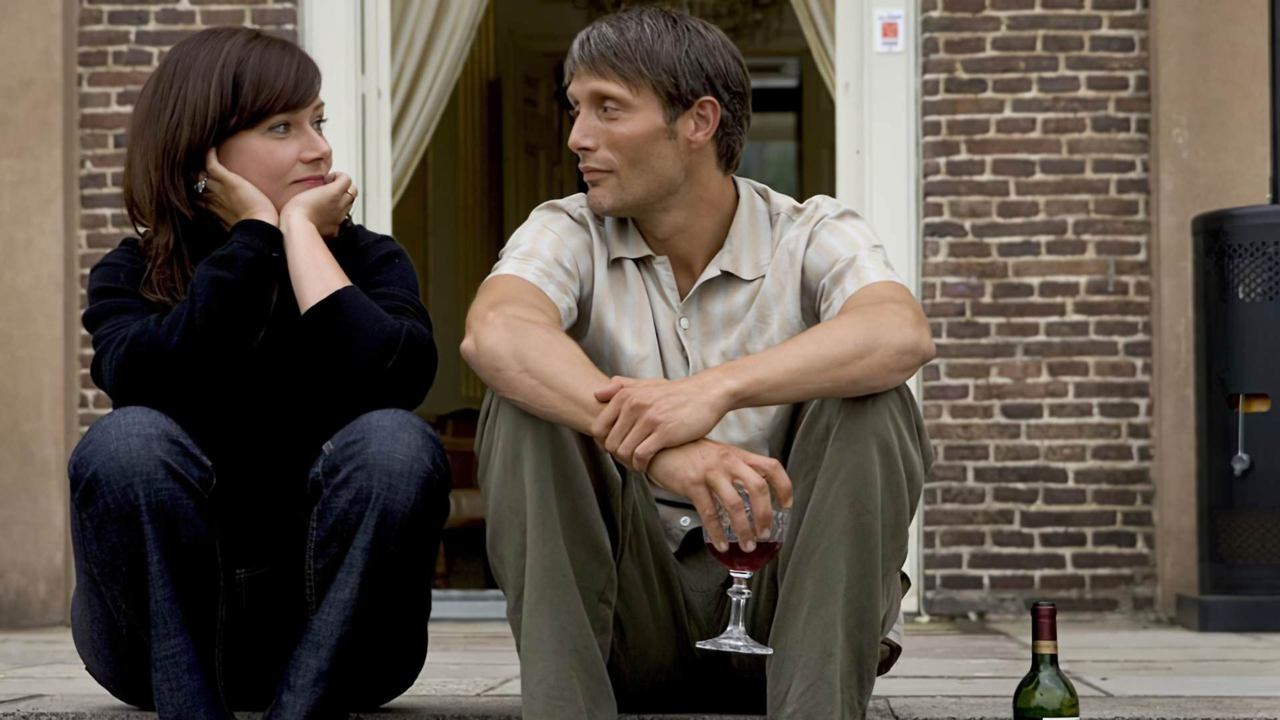
 After the Wedding2006 · DramaDetails
AuroraScreen: Nordic films, from Kon-Tiki, After the Wedding and Rams to Drifting Clouds, Pelle the Conqueror, A Swedish Love Story and Simple Simon, and where to watch them
204 films from Sweden, Denmark, Norway, Finland and Iceland, 1951 to 2026, chosen for the whole household.
T O P 2 0
ON AURORASCREEN
- 1
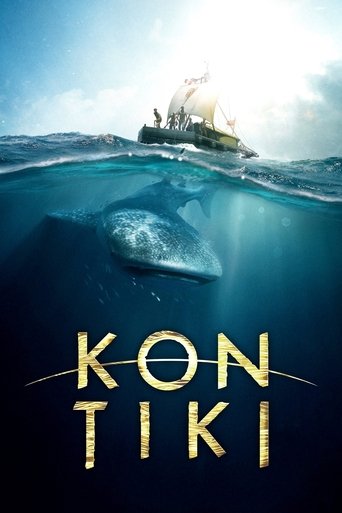 Kon-Tiki
 - 2
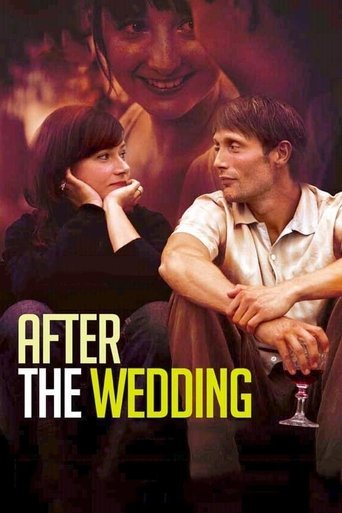 After the Wedding
 - 3
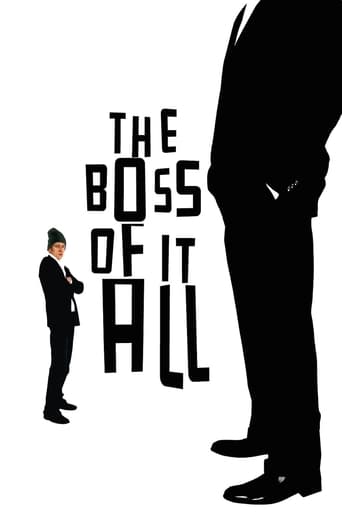 The Boss of It All
 - 4
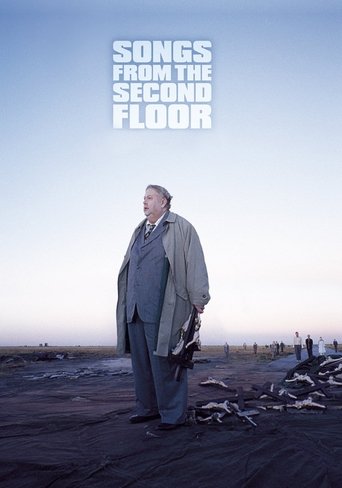 Songs from the Second Floor
 - 5
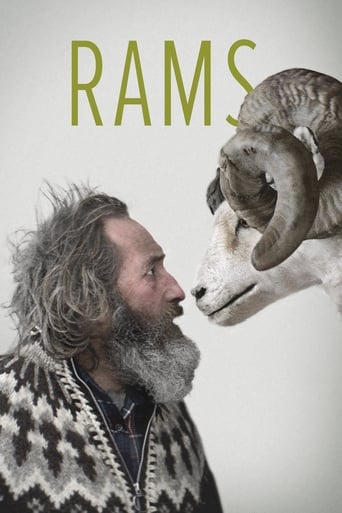 Rams
Rams - 6
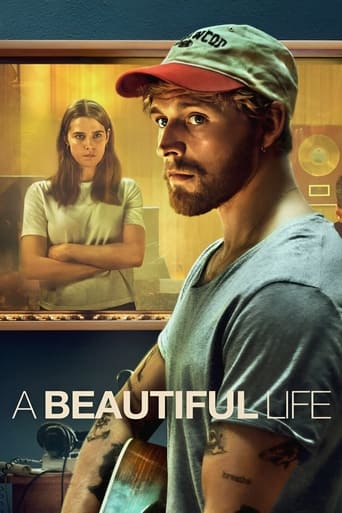 A Beautiful Life
 - 7
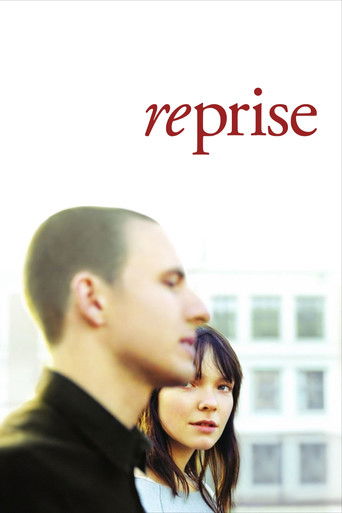 Reprise
 - 8
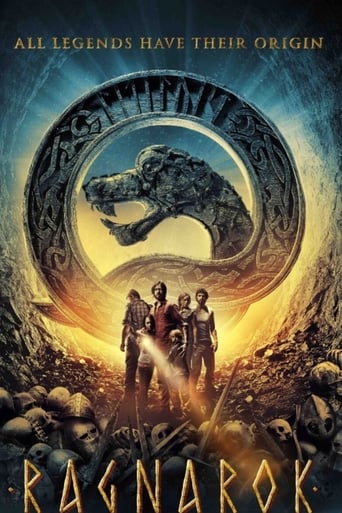 Ragnarok
 - 9
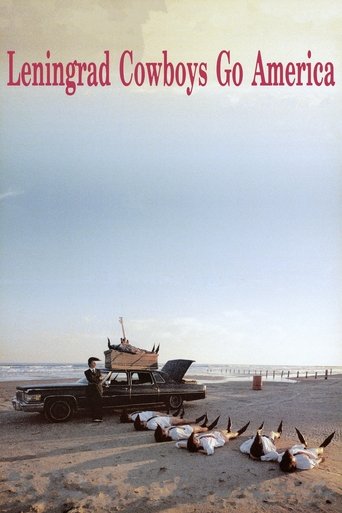 Leningrad Cowboys Go America
 - 10
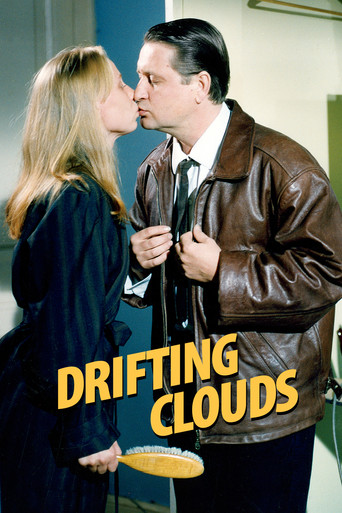 Drifting Clouds
 - 11
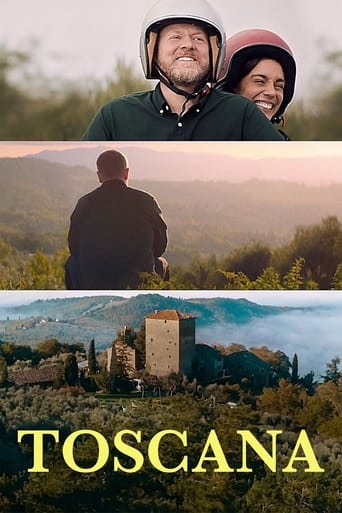 Toscana
 - 12
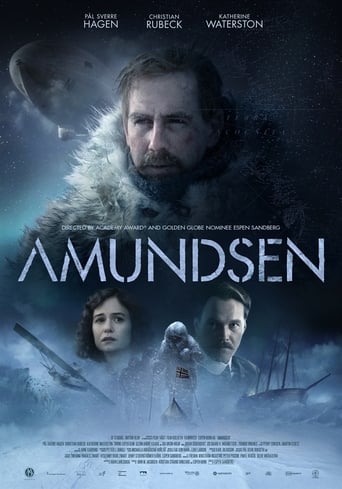 Amundsen
 - 13
 Royalteen
 - 14
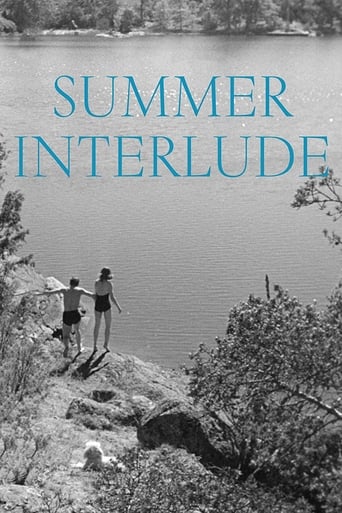 Summer Interlude
 - 15
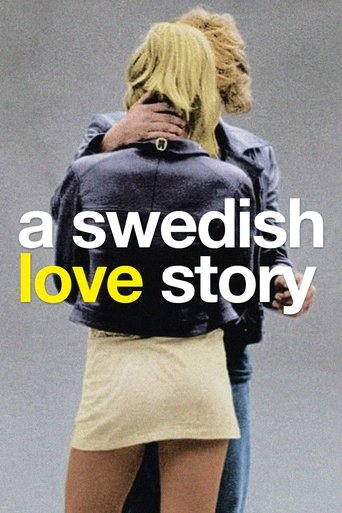 A Swedish Love Story
 - 16
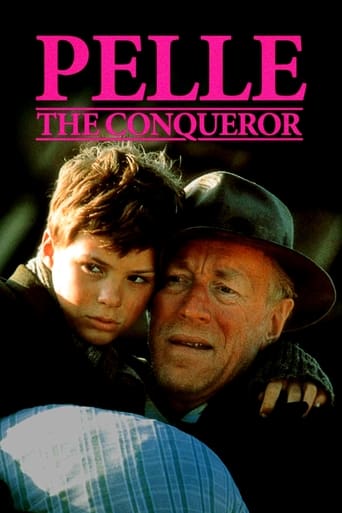 Pelle the Conqueror
 - 17
 Simple Simon
 - 18
 The Best Man's Wedding
 - 19
 The Deep
 - 20
 Touch
Touch
Sweden
More ›


Denmark
More ›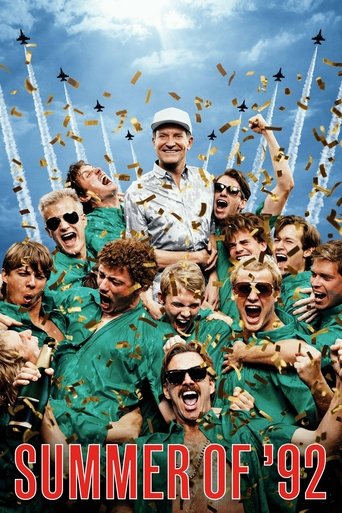


Norway
More ›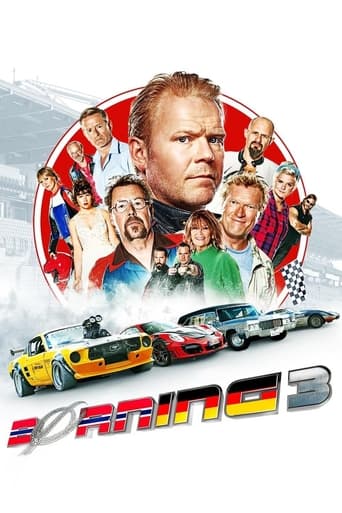

Finland
More ›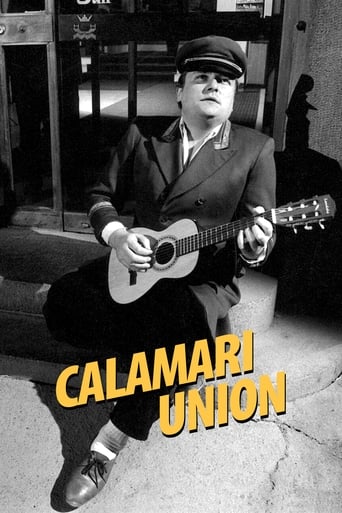

Iceland
More ›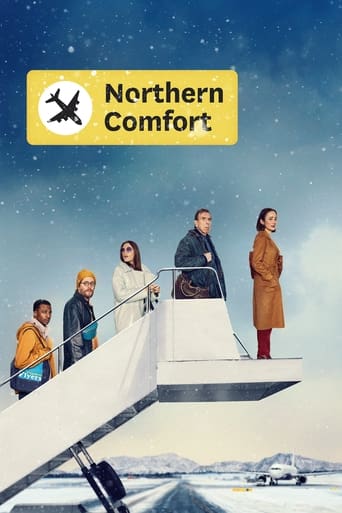

Comedy
More ›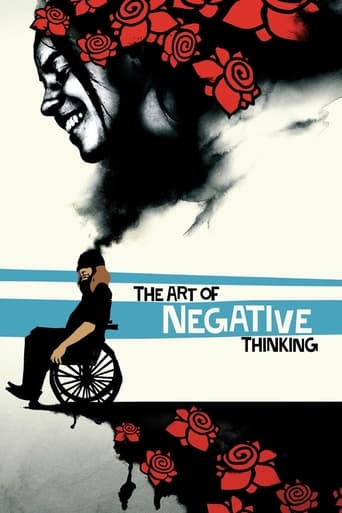

Top Rated Films
More ›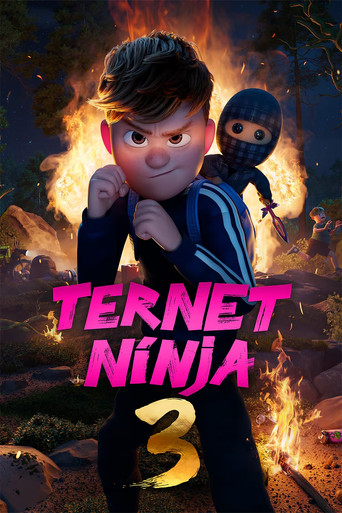

Nordic films for the whole household: the AuroraScreen guide
AuroraScreen: Nordic films, from Kon-Tiki, After the Wedding and Rams to Drifting Clouds, Pelle the Conqueror, A Swedish Love Story and Simple Simon
The aurora is the light of the far north, a green and violet curtain that moves across the winter sky above Tromsø, Kiruna, Rovaniemi and Akureyri. The five countries that lie beneath it, Sweden, Denmark, Norway, Finland and Iceland, have fewer than thirty million people between them, and yet for a hundred years they have made films that the whole world watches. AuroraScreen is a guide to 204 of those films, made between 1951 and 2026: 61 from Sweden, 58 from Denmark, 42 from Finland, 33 from Norway and 10 from Iceland. Each has its own page, its story, its director and cast, and a Watch now button that leads to the official services carrying it in your country.
The catalogue has been chosen for the whole household. Every film was read through by hand, and the selection favours comedies, dramas of family and friendship, love stories, true adventures and the gentler classics. The crime thrillers for which the region is famous abroad, together with horror, films of the battlefield and comedies made strictly for adults, were left out. Those have guides of their own. What is gathered here is the other north: the summer house and the ski slope, the fishing village and the sheep farm, the wedding, the school reunion, the choir.
This guide introduces the five national cinemas in turn, walks through the lists, picks out the directors worth following, and ends with a plan for a first month and a short set of questions and answers. Every film named here has a page on AuroraScreen, and a click on its title opens that page.
What the north has in common
The Nordic countries are different from one another in language and temper, but their films share a family likeness. The first shared trait is light. The summers are short, bright and precious; the winters are long and dark. A great many of these films take place in the few weeks around midsummer, when the sun barely sets and everyone leaves the city for a wooden house by the water, and the sense that happiness is brief and must be seized runs through Nordic cinema from the 1950s to the present.
The second is landscape. Mountains, forests, islands and open sea are close at hand everywhere in the north, and film-makers use them as more than scenery. A man walks into a snowstorm, a raft crosses an ocean, two brothers quarrel across a valley of sheep: the land in these films is a character, and often the strongest one. A list called Northern landscapes gathers 37 films in which the setting matters as much as the story.
The third is a certain dry humour. Nordic comedy is seldom loud. It likes long pauses, modest people in embarrassing situations, and a straight face. The comedies of Finland in particular have made an art of saying very little, and the Swedish holiday farces that every Swede knows by heart are built on the politeness of people who would do anything to avoid a scene. Comedy is, by number, the second largest list here, with 126 films, close behind Drama with 133.
The fourth is a public spirit. These are countries that pay for their cinemas through film institutes, and the result has been steady support for serious directors and for films made for children and families, which in the north are treated as real films and given real budgets.
AuroraScreen covers seven decades. There are 34 films from before 1990, 55 from 1990 to 2009, 42 from 2010 to 2015, 29 from 2016 to 2020 and 44 from 2021 onwards. The home page opens with a wide still from one of the highest rated, shows a numbered Top 20, and then gives each country a row of its own; the menu at the top opens the five countries directly.
Sweden
Sweden has the oldest and largest film industry of the five, and 61 films here are in Swedish. The story must begin with Ingmar Bergman, the most celebrated director the north has produced. His later masterpieces are solemn works for adult audiences; the five films on AuroraScreen come from his first decade, when he was young, quick and often funny. Summer Interlude, from 1951, is the film he himself called his first real one. A ballerina receives a diary in the post and travels out to the island where, thirteen summers before, she spent one happy season with a student; the sunlight on the water in the flashbacks is some of the loveliest photography in his whole work.
Waiting Women has four wives at a summer house telling each other stories of their marriages while they wait for their husbands, and includes a famous comic episode in which a couple are stuck in a lift for a night. A Lesson in Love is a sparkling comedy about a doctor and his wife on a train to Copenhagen, played by Gunnar Björnstrand and Eva Dahlbeck, who were Bergman's great comic pairing. Dreams follows a fashion photographer and her young model through one day in Gothenburg, and All These Women, from 1964, was his first film in colour, a farce about a critic trying to write the life of a famous cellist.
The next great name is Roy Andersson. A Swedish Love Story, made in 1970 when he was twenty-six, is about two teenagers, Pär and Annika, who fall in love over one summer while the adults around them, tired and disappointed, look on. It is one of the most truthful films ever made about being fifteen, and it remains a favourite across the north. Thirty years later he returned with Songs from the Second Floor, a series of strange, pale, painterly scenes about a city in a slow traffic jam; it won a major prize at Cannes and is unlike anything else in the catalogue.
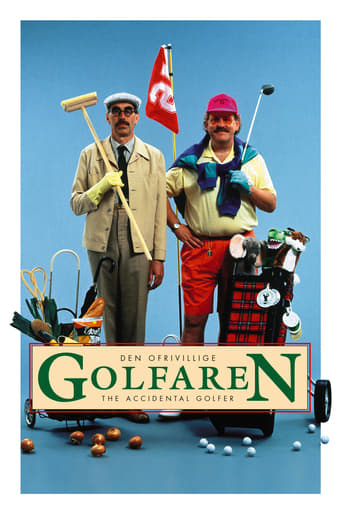
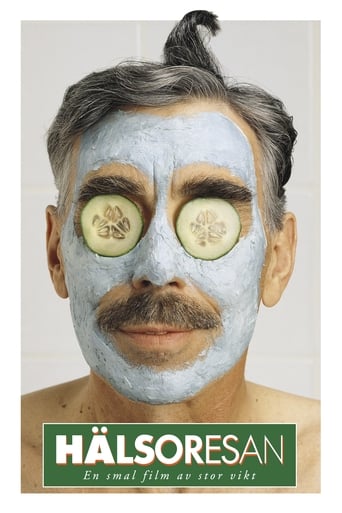
Then there is the Sweden that Swedes themselves love best. Lasse Åberg created Stig-Helmer Olsson, a shy, round, bespectacled bachelor from Stockholm, and took him on a series of package holidays that became the most popular Swedish comedies of all time. Snowroller sends him to the Alps to learn to ski, The Accidental Golfer to Scotland, The Health Journey to a spa, and The Stig-Helmer Story looks back at his youth. Who Pulled the Plug? is a boat race along the Göta canal with a contract as the prize, and Egg! Egg! A Hardboiled Story a satire about an egg tycoon by the much loved comedian Hans Alfredson.
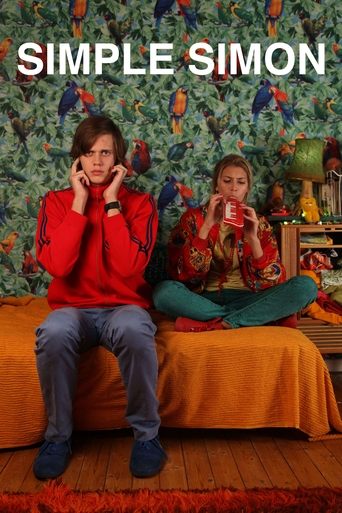
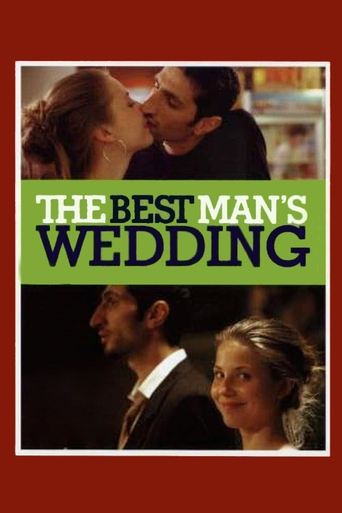
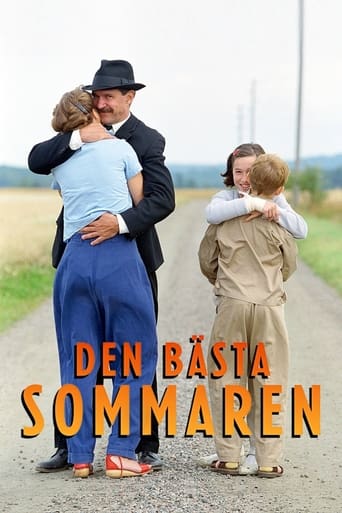
Modern Swedish comedy and drama are well represented. Simple Simon is about a young man with Asperger syndrome who loves space, circles and timetables, and who sets out to find a new girlfriend for his brother by scientific method; Bill Skarsgård plays him, and the film is bright, inventive and very moving. The Best Man's Wedding was the first film of Josef Fares, a comedy about two friends in a park-keeping crew and a family determined to arrange a marriage. A Summer Tale by Ulf Malmros sends two children to spend the summer of 1958 with a gruff undertaker. Off Track follows a brother and sister through the great ski race from Sälen to Mora, and Off Track 2 puts them on bicycles. Sunny Side continues a favourite television comedy of suburban life.
Music gives Sweden three fine films. Waltz for Monica is the life of Monica Zetterlund, the telephone operator from a small town who became the finest jazz singer in Scandinavia. Ted: Show Me Love tells the story of Ted Gärdestad, the teenage pop star of the 1970s. Once in a Lifetime is a warm comedy about a care worker who enters a song in the national contest. And two films look to history: The Flight of the Eagle by Jan Troell recounts the attempt in 1897 to reach the North Pole by balloon, with Max von Sydow as the engineer Andrée, and The Emigrants retells the great novel of a farming family who leave for America in the 1840s.
Denmark
Fifty-eight films are in Danish. Denmark is the smallest of the mainland Nordic countries and, film for film, perhaps the most successful abroad; its directors have won the highest prizes at Cannes and in Hollywood. Pelle the Conqueror did both. Bille August's film of 1987 follows a widowed Swedish labourer, Lasse, and his small son Pelle, who arrive on the Danish island of Bornholm at the end of the nineteenth century hoping for a better life, and find work on a great farm where little is given freely. Max von Sydow, as the father who has promised his boy more than he can deliver, gave one of the great performances of his career. The film is long, rich and humane, and suits older children and adults.
Bille August appears three more times. Marie Kroyer is about the wife of the painter who made the light of Skagen famous; The Pact is about the writer Karen Blixen in her later years and a young poet she takes under her wing; and The Kiss is a romance set on a country estate in 1913.
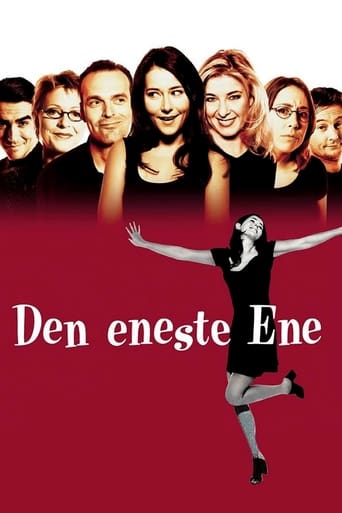
After the Wedding, directed by Susanne Bier, was nominated for an Academy Award. Mads Mikkelsen plays a Dane who runs a home for street children in India; called back to Copenhagen to meet a wealthy man who may fund it, he is invited to a family wedding and discovers why he was really sent for. It is a drama of strong feeling and several surprises. Her earlier The One and Only is a romantic comedy about a kitchen fitter and a beautician, and was the most popular Danish film of its decade.
The Boss of It All shows a lighter side of Lars von Trier. The owner of a small technology company has always blamed unpopular decisions on an imaginary boss abroad; when he wants to sell the firm, he hires an out-of-work actor to play the part, and the actor takes to the role rather too well. The Perfect Human, a twelve-minute film of 1968 by Jørgen Leth, is a cool and witty study of a man and a woman in a white room, and is one of the most famous short films ever made in Europe.
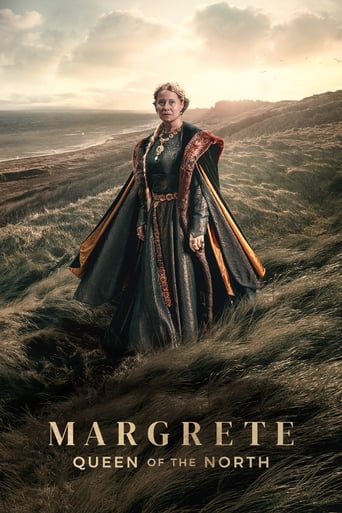
Danish cinema loves a true story. Summer of '92 tells how the national football team, called up at ten days' notice when another country withdrew, went to the European Championship and won it. Margrete: Queen of the North is a handsome historical drama about the ruler who united Denmark, Norway and Sweden at the start of the fifteenth century, with Trine Dyrholm in the title role. A Funny Man is the life of Dirch Passer, the best loved Danish comedian of the last century, who can himself be seen in Charley's Aunt of 1959 and Baronessen fra benzintanken of 1960. Dan Dream is a comedy about the attempt in the 1980s to build a Danish electric car, and Gold Coast a drama set in the Danish trading posts of West Africa in 1836.
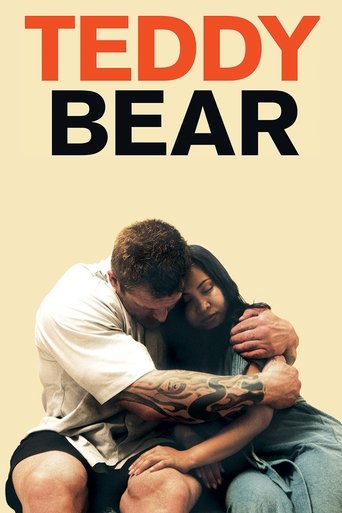
The gentler recent films include A Beautiful Life, in which a young fisherman with a remarkable voice is discovered by a music manager; Toscana, about a Copenhagen chef who inherits a castle in Italy; A Taste of Hunger, about a couple chasing a star for their restaurant; and Rose, in which two sisters take a coach tour to Paris in 1997, one of them living with a serious illness of the mind, and the whole coach is changed by her. Teddy Bear is a small, sweet film about a shy bodybuilder who travels to Thailand looking for love, grown from the short film Dennis. Helium, which won the Academy Award for short films, is about a hospital porter who tells a sick boy stories of a land in the sky.
For families there are Island of Lost Souls, a fantasy adventure, The Shamer's Daughter 2: The Serpent Gift, from the popular novels, and Checkered Ninja 3, the latest of the animated comedies about a schoolboy and a living doll. And the old Danish comedy is represented by Martha, from 1967, the tale of a rusty cargo ship and its contented crew, which Danes have been quoting ever since.
Norway
Thirty-three films are in Norwegian, and the country's greatest subject is the journey. Kon-Tiki tells the true story of Thor Heyerdahl, the young scientist who in 1947 built a raft of balsa logs in Peru and sailed it with five companions across eight thousand kilometres of the Pacific to prove that the islands of Polynesia could have been reached from South America. The film was nominated for an Academy Award, and its scenes of open ocean, storms and whale sharks passing beneath the raft are thrilling for all ages. Amundsen, by one of the same directors, is the life of the man who reached the South Pole first, and of the brother who managed everything he left behind.
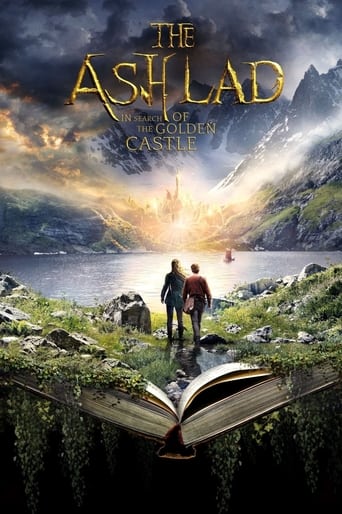
For younger adventurers there is Ragnarok, in which an archaeologist takes his two children north to Finnmark to follow the runes on a Viking ship and finds something very large living in a lake; and The Ash Lad: In Search of the Golden Castle, the second film about the youngest son of Norwegian folk tales, who sets off with his brothers and a princess to find a legendary castle and the water of life. Magic Silver is a Christmas fantasy about a small princess of the gnomes who guard the changing of day and night.
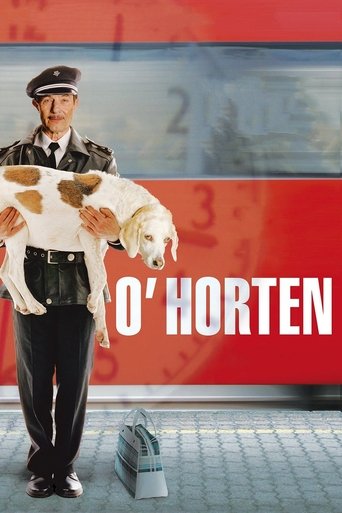
Norwegian comedy is warm and a little wry. O'Horten by Bent Hamer follows a train driver through the first days of his retirement, in a series of gently absurd encounters on a snowy Oslo night. Hamer's 1001 Grams is about a scientist who looks after the national kilogram and carries it to a conference in Paris. Buddy, the first feature of Morten Tyldum, who later worked in Hollywood, is about a young man who hangs advertising posters and whose video diaries, found by accident, make him a television star. The Art of Negative Thinking is a sharp comedy about a support group whose cheerful leader meets her match. Mother's Elling takes a much loved character on a coach holiday to Spain with his mother.
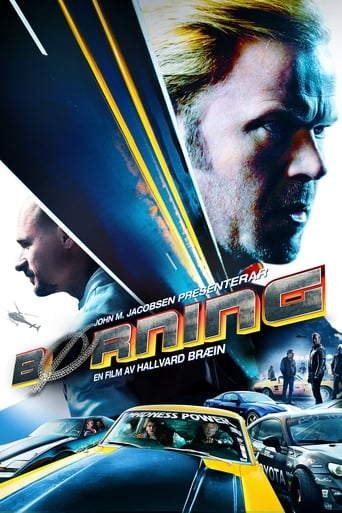
Burning and Asphalt Burning are car comedies about a man who loves a yellow Mustang and is unable to resist a race, the first from Oslo to the North Cape, the second all the way to Germany. Everybody Hates Johan is the life story of a man on a small island with a talent for explosives, and The Wrong Track sends a woman whose life has stalled into the longest ski race in the country.
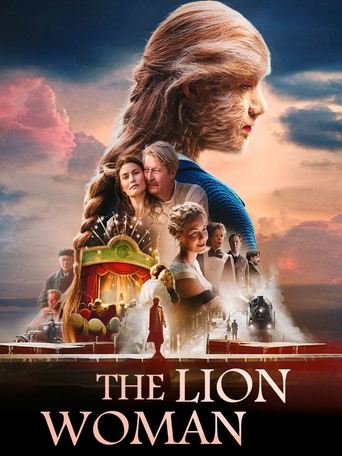
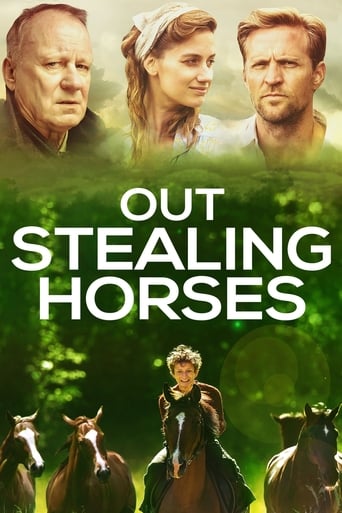
Among the dramas, Out Stealing Horses, from the novel by Per Petterson, has Stellan Skarsgård as a widower who moves to a cabin in the east of Norway and is carried back by a chance meeting to the summer of 1948, which he spent with his father by a river on the Swedish border. Reprise was the first film of Joachim Trier, about two friends who post the manuscripts of their first novels on the same day. The Lion Woman is about a girl born in 1912 with fine hair covering her whole body, and the stationmaster father who learns to be proud of her. Sonja: The White Swan is the life of Sonja Henie, the figure skater who became a Hollywood star, and Munch an inventive portrait of the painter at four ages. Loveable, from 2024, is a much praised study of a marriage, and Royalteen and its sequel are romances for teenagers set at a school attended by the crown prince.
Iceland
Iceland has ten films here and a population smaller than that of a middling European city, and its cinema is one of the wonders of the north. Rams is the best introduction. Two brothers, both sheep farmers, live on neighbouring farms in a remote valley and have exchanged hardly a word in forty years; they communicate, when they must, by letters carried by a sheepdog. When a disease threatens the valley's ancient breed, each must decide what his flock is worth to him. The film won the main prize in its section at Cannes, and it is funny, stubborn and at last deeply affecting.
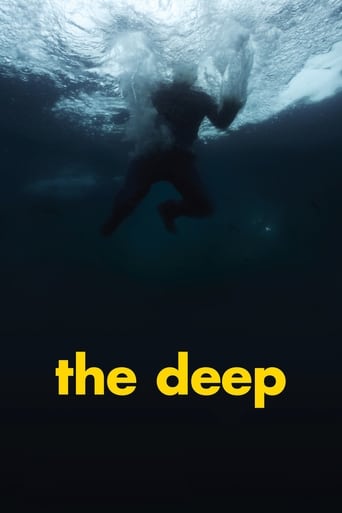
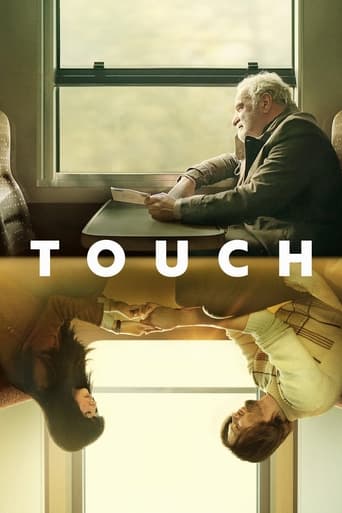
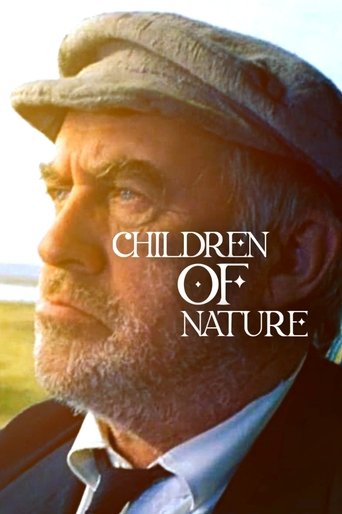
Baltasar Kormákur, the best known Icelandic director, has two films. The Deep is the true story of a fisherman who, when his boat went down off the Westman Islands on a winter night in 1984, swam for six hours through freezing water and walked across a lava field to safety. Touch follows an elderly widower who closes his restaurant in Reykjavík and sets out to find the Japanese woman he loved in London fifty years before. Children of Nature, nominated for an Academy Award in 1992, is about two old people who slip away from a retirement home to return to the fjord of their childhood.
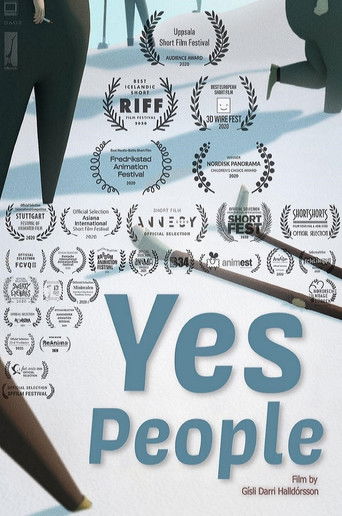
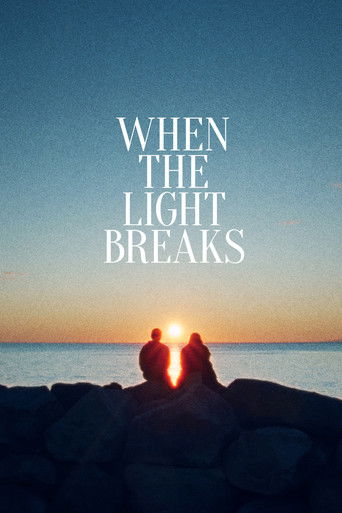
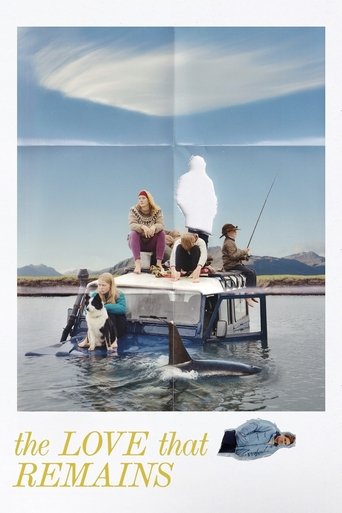
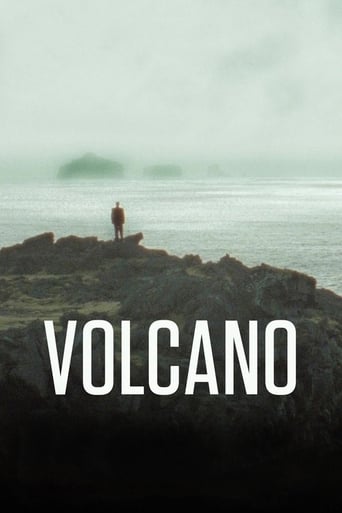
Volcano is the portrait of a gruff retired caretaker who learns tenderness late; When the Light Breaks follows an art student through one long summer day; The Love That Remains by Hlynur Pálmason watches a family across a year of changing seasons; and Mamma Gógó is a film-maker's affectionate picture of his mother. Northern Comfort is a comedy about a course for people who are afraid of flying, and Yes-People an eight-minute animated film about the residents of one block of flats, who say only one word.
Finland
Forty-two films are in Finnish, and Finnish cinema has a flavour that is recognised at once: laconic, melancholy, and funnier than it first appears. Its ambassador is Aki Kaurismäki, who has four films here. Drifting Clouds is one of his best and kindest. Ilona is head waiter at a restaurant that has seen better days; her husband Lauri drives a tram. Within a few weeks both have lost their jobs, and the film follows their attempts, patient and dignified, to get back on their feet and at last to open a restaurant of their own. The colours glow, the faces hardly move, a small dog watches everything, and the final scene is among the happiest in modern cinema.
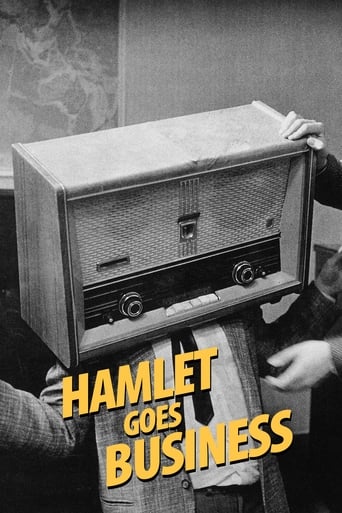
Leningrad Cowboys Go America is his cult comedy about the worst rock band in the world, a group from the tundra with enormous quiffs and long pointed shoes, who are advised to try their luck in the United States and drive from New York to Mexico learning the local music as they go. Calamari Union and Hamlet Goes Business are earlier and stranger: the first sends fifteen men, all named Frank, on a journey across Helsinki, and the second moves Shakespeare's prince to the boardroom of a Finnish company with an interest in rubber ducks. His brother Mika Kaurismäki directed Road North, in which a concert pianist is collected by the father he has barely met and driven the length of the country.
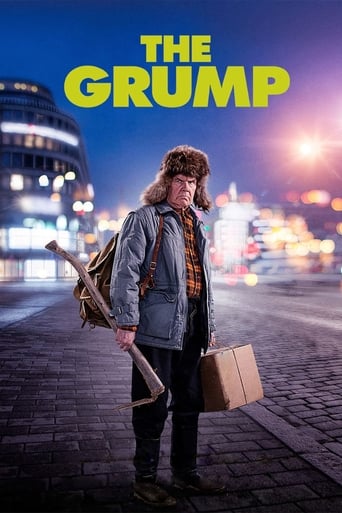
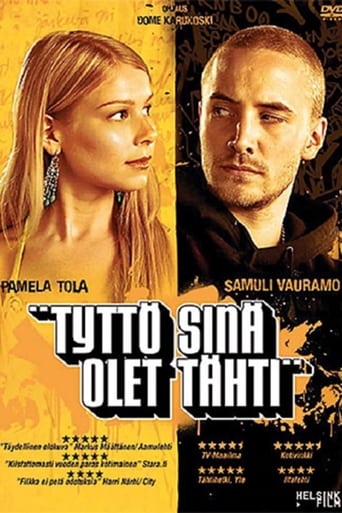
Dome Karukoski is the leading popular director of the next generation. Lapland Odyssey is a comedy with a perfect premise: a young man in the far north has until dawn to find a digital television box, or his girlfriend will leave, and he and two friends set off across two hundred kilometres of snow to get one. The Grump brings to the screen a famous character of Finnish newspaper columns, an old farmer who believes that everything was better when cars were Soviet and tools were wooden, and who must stay with his son's family in Helsinki; The Grump: In Search of an Escort sends him to Germany to find a replacement for his beloved old Ford. Beauty and the Bastard is a romance between a girl from a wealthy family and a young man who makes hip-hop.
The Finns have their own comic institution in Uuno Turhapuro, the unshaven, string-vested idler created by Spede Pasanen and played by Vesa-Matti Loiri in twenty films. Eight have a list of their own on AuroraScreen. Uuno has married the daughter of a wealthy industrialist and devotes his considerable ingenuity to avoiding work and annoying his father-in-law; in Uuno Epsanjassa he goes on holiday to Spain, and in Uuno Turhapuro muuttaa maalle he moves to the country. They are broad, cheerful, and a piece of living history for every Finn over thirty.
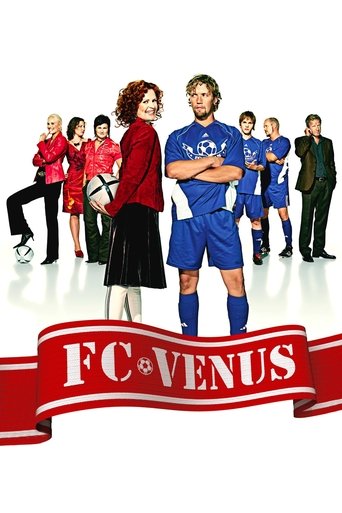
Other pleasures of the Finnish list include For the Matches, a classic farce about a farmer who goes to borrow a box of matches and sets a whole district in uproar; The Land of Happiness, a nostalgic comedy of the tango-loving countryside in the 1960s; FC Venus, in which the wives and girlfriends of a hopeless amateur football team form a side of their own and challenge the men; The Potato Venture, which tells the arrival of the potato in seventeenth-century Finland as the story of a start-up company; and The Missile, a comedy-drama set in Lapland in 1984, when a stray Soviet rocket came down in a frozen lake and a local journalist decided to find out why. One Last Deal is a touching story of an elderly art dealer who spots an unsigned masterpiece at an auction, and The Gravedigger's Wife, made by a Finnish-Somali director in Djibouti, is about a man who must raise the money for his wife's operation.
Comedy across the north
With 126 comedies there is much more to find. The holiday is a favourite setting: besides Stig-Helmer's travels, A Midsummer of Love takes a shy bachelor to a party in the Stockholm archipelago, Once Upon a Time in Phuket sends an overworked Swede to Thailand, and All Inclusive takes a Danish mother and her two daughters to Malta for her birthday. Sport is another: Summer of '92 and FC Venus have been mentioned, Balls is about a widowed bicycle mechanic and his son, The Giant about a small man with a great gift for the game of boules, and Long Flat Balls about six Norwegian friends who travel to a football World Cup.
The classics of popular comedy are here too: Asa-Nisse - Welcome to Knohult, about a rustic Swedish character who has been making audiences laugh since the 1940s; Macken - Roy's & Roger's Bilservice, a musical comedy set at a petrol station; Fools in the Mountains, a Norwegian hotel farce of 1957 with one actor in two roles; and Dust on the Brain, the comedy of five housewives in one Oslo stairway that became the most seen Norwegian film of its time. Kenny Begins is a Swedish science-fiction spoof about the least promising cadet at the galactic academy, and Supercool a Finnish teenage comedy about a boy who wakes up as the best version of himself.
Drama and family life
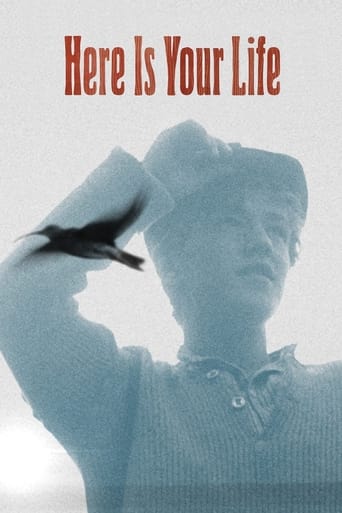
Drama is the largest list, with 133 films, and its favourite subject is the family in all its awkwardness. Sweden's The Importance of Tying Your Own Shoes is about an out-of-work actor who takes a job with a theatre group of people with learning disabilities and enters them for a national talent contest; the members of a real company play themselves, and the film was loved across the country. The Girl spends a summer with a ten-year-old left alone at home while her parents work abroad. Åke and His World sees a small town in the 1930s through the eyes of a doctor's six-year-old son. Here Is Your Life, Jan Troell's first feature, follows a boy from the age of fourteen through his jobs in the sawmills, cinemas and railways of northern Sweden during the First World War years, and is counted among the finest Swedish films.
From Denmark, Uncle is a quiet study of a young woman who runs a small dairy farm with her disabled uncle and must decide whether to take up a place at veterinary school; it won the main prize at the Tokyo festival. Chinaman is about a plumber, recently separated, who eats every night at the Chinese restaurant across the road and is asked a surprising favour by its owner. A Family concerns a baker's dynasty in Copenhagen, Parents a couple who move back into the flat where they lived as students and find themselves young again, and Truly Human and Old, New, Borrowed and Blue are two of the films made under the famous rules by which Danish directors agreed to work only with hand-held cameras and natural light.
From Norway and Finland come A Polar Year, in which a young Danish teacher takes a post in a tiny settlement in Greenland and learns from his pupils and their grandparents; Any Day Now, about a boy of thirteen and his family, newly arrived from Iran, waiting in a Finnish reception centre to hear whether they may stay; Tigers, the true story of a Swedish teenager signed by one of the great Italian football clubs; and Forever, about two girls in a football team and the coach who shows them what they might become.
Romance
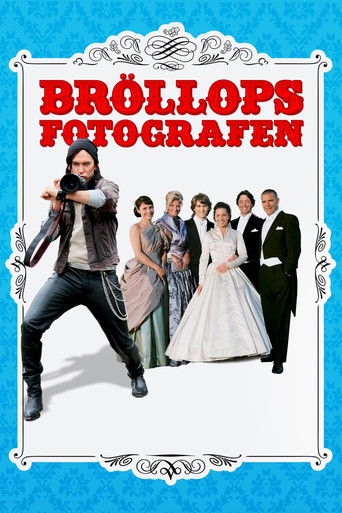
Forty-seven films are listed under Romance. The classics are Bergman's Summer Interlude and Andersson's A Swedish Love Story; the modern favourites include Touch, The One and Only and Love and Lemons, a Swedish comedy about a young woman who puts her savings into a friend's restaurant. A Copenhagen Love Story, from 2025, is a grown-up romance about a writer and a single father. My Future Love is a Swedish story of chance meetings, and Love Me Tomorrow and Anja & Viktor belong to a popular Danish series about one couple. The Wedding Photographer brings a young man from a closed factory town to the grand houses of Stockholm, camera in hand. One More Time is a comedy in which a woman of forty wakes up on her eighteenth birthday, again and again.
Music
Twenty-three films turn on music. The biographies of Monica Zetterlund and Ted Gärdestad lead the Swedish titles, and A Beautiful Life the Danish. Leningrad Cowboys Go America is a musical journey from polka to rock and roll to mariachi. Rock Band is a delightful Norwegian road film for families, in which two best friends, a nine-year-old cellist and a seventeen-year-old driver set off for the national rock championship in the far north. Get Ready to Be Boyzvoiced is a spoof documentary about a manufactured boy band, and The Burden, a Swedish animated musical lasting fourteen minutes, gives songs to fish in a hotel, mice in a restaurant and monkeys in a call centre; it won prizes at festivals around the world.
True stories
Fifteen films are gathered under True stories, and they make a good course in the history of the north. The explorers come first: Kon-Tiki, Amundsen and The Flight of the Eagle. Then the rulers and artists: Margrete: Queen of the North, Munch, Marie Kroyer, The Pact and Sonja: The White Swan. Then the surprising episodes: Summer of '92, Dan Dream, The Missile, The Deep and Tigers. The Riot dramatises a miners' strike at a Norwegian copper works in 1907 and the young worker who became its voice.
Directors to follow
Following a director is a good way to explore. Ingmar Bergman and Aki Kaurismäki have lists of their own. Bille August, with four films, is the great storyteller of Danish cinema, at home in any century. Jan Troell, a former schoolteacher who photographs his own films, made Here Is Your Life and The Flight of the Eagle sixteen years apart and brought the same patient eye to both. Ulf Malmros has three warm Swedish comedies here, Dome Karukoski three Finnish ones, and Lasse Åberg four. Bent Hamer of Norway and Roy Andersson of Sweden share a love of still frames and deadpan humour, and Baltasar Kormákur and Hlynur Pálmason show two sides of Iceland, the first dramatic and the second contemplative.
Northern landscapes
Thirty-seven films are listed under Northern landscapes, and they can be watched as a journey around the map. Begin in the west, in Iceland, with the treeless valley of Rams, the black harbour of The Deep and the empty western fjords of Children of Nature. Cross to Greenland for A Polar Year, filmed in a settlement of eighty people on the east coast, where the children know more about the ice than their teacher does. Come down the coast of Norway with Burning, which races from the capital to the North Cape, and turn inland for the forests and rivers of Out Stealing Horses.
In Sweden the landscape films run from the far northern timber country of Here Is Your Life to the ski tracks of Dalarna in Off Track and the islands outside Stockholm in Summer Interlude. Finland offers the snowfields of Lapland Odyssey and The Missile, the lakes and backwoods of Backwood Philosopher, and the long empty roads of Road North. Denmark, the flattest and gentlest of the five, has the Baltic island of Bornholm in Pelle the Conqueror and the windswept farms of southern Jutland in Uncle.
These films are also a calendar. The north lives by its seasons more than most places, and its cinema marks them. Winter belongs to the ski comedies and to O'Horten, with its night of snow in Oslo. Spring is the season of school endings and new beginnings in Royalteen and A Swedish Love Story. Midsummer, the great feast of the north, appears in film after film, with its flower crowns, its long tables under the birches and its sun that will hardly set. And autumn, when the summer houses are closed and the light goes, is the mood of Volcano, Touch and Drifting Clouds, films about people in the later part of life who find that something good can still begin.
Viewers who know the north only from its crime stories, with their grey skies and uneasy silences, may be surprised by how much colour there is here. The red of the wooden houses, the yellow of the rape fields in June, the blue of the sea around the islands and the green of the aurora itself are all part of the picture, and the best of these films make one want to buy a ticket and go.
For younger viewers
The list called Adventure and family holds 33 films, and it is the place to begin with children. The Norwegian adventures Ragnarok and The Ash Lad: In Search of the Golden Castle suit viewers from about eight, with some exciting moments. Magic Silver and Island of Lost Souls are fantasies for the same age. Rock Band is a film that parents will enjoy as much as children. Eva & Adam: Four Birthdays and a Fiasco comes from a much loved Swedish series of books about first love at fourteen, and Truth or Dare is a thoughtful Swedish film about friendship and courage in the last year of primary school. Kurt Turns Evil is a Norwegian animated comedy about a forklift driver who decides to become important.
The short films are a good choice for a mixed audience: Helium, The Burden, Yes-People and The Perfect Human together last less than an hour. And several of the true stories, Kon-Tiki above all, are fine family viewing, since they show real courage and real places and lead naturally to an atlas.
A word on tone may help parents. Nordic films tend to be frank about the facts of life: illness, age and loss are spoken of plainly, and people sometimes swear. The titles on AuroraScreen were chosen to be free of cruelty and suited to a shared room, but some of the dramas, Pelle the Conqueror, After the Wedding and Out Stealing Horses among them, are grown-up stories best kept for teenagers and adults. The official services listed by JustWatch show an age rating for every film, and it is worth a glance before the lights go down.
Using AuroraScreen
The site keeps the look of the application it is named for. The page is dark, the accent is violet, and the posters have rounded corners. The header carries the name on the left, the menu in the middle and the search box on the right. The menu leads to the full index of Films, to the five countries, to the A to Z index and to Watch Later, which is the name this site gives to My List. Below the header, the home page opens with a wide still from a featured film, then a numbered Top 20 of the most popular titles, then a row for each country and rows for comedy and for the highest rated films. On a telephone the menu folds away behind the button with three lines.
Every film has a page of its own. At the top are the poster, the title in English and in its original language, the year, the running time and the genres. Below come the story, the director and the leading actors. The Watch now button sits beside the poster. Choose your country from the list, press the button, and JustWatch opens with the services that carry that film where you live: subscription services, shops for rental and purchase, and free services supported by advertising. The five Nordic countries head the list of countries, since most of these films are most widely available there, and each of them has public broadcasters and film institutes whose own services carry many of the older titles.
My List keeps the films you mean to watch. Press Add to My List on any film page, and the title is saved in your own browser; the Watch Later link in the menu shows everything you have saved, and a button there stores the list as a small file that you can carry to another device. The list is private to you and asks for neither an account nor a password.
Five languages
Swedish, Danish and Norwegian are close cousins, and speakers of one can usually follow the others with a little effort; Icelandic is their ancient relative, closer to the language of the sagas; and Finnish belongs to a different family altogether, with long words and a rhythm all its own. Most of these films are offered with English subtitles on international services, and listening for the differences between the five is one of the quiet pleasures of the collection. The page for each film gives its original title, which is the name to use when searching a Nordic service: Snowroller is known at home as Sällskapsresan II, The Grump as Mielensäpahoittaja, and Rams as Hrútar.
A first month
For a newcomer, here is one way to spend four weeks with the collection, two films a week.
In the first week, set sail. Watch Kon-Tiki with the whole household, and then Rams, which shows the other kind of northern courage, the kind that stays at home.
In the second week, laugh. Lapland Odyssey and Snowroller are the best loved comedies of Finland and Sweden, and between them they explain a good deal about both countries.
In the third week, meet the masters when they were young. Summer Interlude is Bergman at thirty-two, and A Swedish Love Story is Roy Andersson at twenty-six. Both are films about summer and first love, twenty years apart, and both are far more approachable than their makers' reputations suggest.
In the fourth week, give an evening each to Drifting Clouds and Pelle the Conqueror. The first is ninety-six minutes of quiet hope; the second is a great novel on screen. Anyone with time for one more should add Simple Simon, which leaves almost every viewer smiling.
After that the lists are yours to explore. Top rated holds the 28 films with the highest scores from viewers; the year lists let you move through seven decades in order; and the Uuno Turhapuro list is there for anyone curious to see what made Finland laugh for thirty years.
How the films were chosen
Every title on AuroraScreen was selected by a person and checked by hand. The starting point was the record of feature films and notable short films in the five Nordic languages held by TMDB with a poster, a still image, a written description and a fair number of ratings from viewers, which gave close to eight hundred candidates. From that list we set aside crime thrillers, horror, films of the battlefield, and comedies and dramas made strictly for adults. We then read each remaining description, kept the films that a household could watch together or that an adult could watch with a parent in the room, and looked a second time at any that raised a doubt.
The result has a clear character: 133 dramas, 126 comedies, 47 love stories, 33 adventures and family films, 23 films about music and 15 true stories, with many titles counted under more than one heading. Each film appears on AuroraScreen alone among our sites, so the catalogue is its own. Posters, cast lists and descriptions come from TMDB, and the Watch now links are provided by JustWatch, which records where each film is officially available country by country.
Questions and answers
Questions
What is AuroraScreen?
AuroraScreen is a guide to 204 films from Sweden, Denmark, Norway, Finland and Iceland, made between 1951 and 2026 and chosen for the whole household. Each film page gives the story, year, director and cast, and a Watch now button that leads to the official services carrying the film in your country.
Which film should I watch first?
Start with Kon-Tiki, Rams or Simple Simon. The first-month plan in the guide suggests an order for eight films.
Is the catalogue suitable for families?
Yes. Every film was screened by hand, and the selection keeps to comedies, family dramas, love stories, true adventures and gentle classics. A few dramas are best for teenagers and adults, as the guide explains.
Are the films available with subtitles?
Most official services offer English subtitles, and Nordic services usually add the other Nordic languages. The services listed for each film show what they provide.
How many films come from each country?
Sixty-one from Sweden, 58 from Denmark, 42 from Finland, 33 from Norway and 10 from Iceland. The menu opens each country directly.
Why are the famous crime thrillers missing?
AuroraScreen is a family guide, so crime, horror and adult titles were left out on purpose. What remains is the lighter and warmer side of Nordic cinema.
How does My List work?
Press Add to My List on any film page. The list is kept by your own browser, free of charge, and the Watch Later link in the menu opens it.
Does AuroraScreen host films or downloads?
AuroraScreen is a guide only. Every Watch now button leads to an official, licensed service.